Medicine & Research

  1. Medicine & Research

    Stockholm researchers find breathing symptoms in 143 people with long COVID

    Symptoms were identified through self-reported scores, which do not confirm a clinical diagnosis of dysfunctional breathing.

    Stockholm researchers find breathing symptoms in 143 people with long COVID
    Photo: Medical Xpress

    Researchers led by specialists at Karolinska University Hospital in Stockholm analyzed data from 288 adults with long COVID. At a 2024 follow-up, more than four years after their initial infection, questionnaire results indicated symptoms of dysfunctional breathing in 143 participants.

    Medical Xpress published the report.

    A score of 23 or higher out of 64 on the Nijmegen questionnaire (NQ) was considered elevated. The NQ is a self-reported tool for assessing respiratory symptoms. The study was published in Respiratory Research.

    Participants who were not hospitalized during acute COVID-19 had about six times higher odds of scoring at least 23 compared with those who were hospitalized. Younger people and women were more common among participants with scores in that range.

    Among participants with scores of 23 or higher, 38% reported a diagnosis of postural orthostatic tachycardia syndrome (POTS), compared with 8% of those with lower scores. POTS causes an abnormally rapid heart rate when moving from lying down or sitting to standing, without a substantial drop in blood pressure.

    Among participants with elevated scores, 44% were on sick leave, compared with 14% of those with lower scores. The researchers noted that the follow-up response rate was moderate, so nonresponse bias could not be ruled out.

    The authors called for future studies to combine patient-reported assessments with objective measures of breathing and lung function.


  2. Medicine & Research

    UConn researchers interview 30 Black adults with hypertension

    Participants identified social media, YouTube and churches as useful places to share research materials. Preferences varied somewhat by sex.

    UConn researchers interview 30 Black adults with hypertension
    Photo: Medical Xpress

    Researchers interviewed 30 Black adults with hypertension, including 16 men, about their interest in a digital nutrition program and ways to recruit people for research.

    The story was published by the news site Medical Xpress.

    The study was published in the Journal of Nutrition Education and Behavior. Participants were interested in a program to improve their health and build healthy eating and cooking skills. They also wanted guidance and accountability from a registered dietitian.

    Participants said recruitment materials should feature Black people of different ages, genders and body sizes, appealing healthy foods and the technology used in the program.

    Participants stressed that dietitians should understand Black cultural food traditions and people’s lived experiences. They said a dietitian’s cultural competence mattered more than the dietitian’s race.

    Engaging Black adults in nutrition research requires more than simply sharing information about a study.

    Loneke T. Blackman Carr, lead investigator, Department of Nutritional Sciences, University of Connecticut

    Participants identified social media, YouTube and churches as useful channels for sharing information. Women more often emphasized traditional community settings, while men preferred digital platforms.

  3. Medicine & Research

    Yale researchers test firearm injury prevention program for teens

    A study found that participants retained knowledge of risk factors, while their willingness to intervene safely increased only temporarily.

    Yale researchers test firearm injury prevention program for teens
    Photo: Medical Xpress

    Yale researchers conducted a cluster randomized trial in the United States to test a program aimed at preventing firearm injuries. The study included more than 400 teens from 50 clubs in 28 states.

    This was reported by the news site Medical Xpress.

    After the training, teens better understood risk factors, including access to unsecured firearms, substance use and depressive symptoms. That improved understanding lasted, while teens’ willingness to take safe action when a friend or peer was in danger increased temporarily.

    The clubs were randomly assigned to groups: some teens received the training right away, while training for the others was delayed. Researchers measured outcomes before the program began and again after 3 and 6 months.

    The Guardians 4 Health program was developed in partnership with 4-H Shooting Sports, a national youth program. Its curriculum uses a bystander intervention approach, teaching teens to recognize when others may be at risk of injury and to act with support from their community.

    Young people in 4-H Shooting Sports also learn leadership and civic engagement, marksmanship, firearm safety, hunting and archery.

  4. Medicine & Research

    Hungarian study: 49% of children see screens daily by 18 months

    Researchers warn that early use of digital devices may displace time for play, physical activity and interaction with parents.

    Hungarian study: 49% of children see screens daily by 18 months
    Photo: Medical Xpress

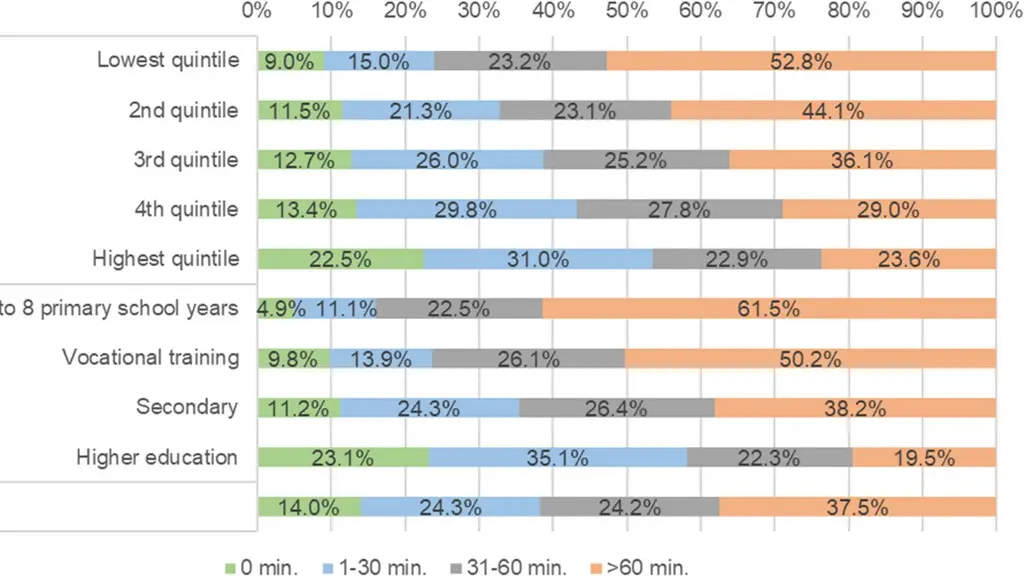
    A Hungarian cohort study found that 49% of 18-month-old children saw screens daily. It used representative data from 2,569 children collected in 2019–2020; 37.5% spent more than an hour in front of screens on a typical day.

    Details were published by Medical Xpress.

    The study was published in Biologia Futura with contributions from researchers at Eötvös Loránd University. It draws on data from the Cohort ’18—Growing Up in Hungary birth cohort study.

    Among children who saw screens daily, average screen time exceeded two hours. Television was the most common activity, but smartphone and tablet use was also widespread at this age.

    Longer screen time was associated with less frequent shared play and reading. Previous research has also linked early, intensive screen use with difficulties in language and cognitive development and emotion regulation.

    Young children learn primarily through actively exploring the world and interacting with others, rather than through screens. One of the greatest risks of introducing digital devices too early is that their use takes time away from precisely these essential experiences.

    Ákos Pogány, researcher at the Department of Ethology at ELTE

    The study’s authors also write that parents’ smartphone use can interrupt shared play and face-to-face communication with children.

    The researchers advise parents to prioritize shared play, conversation and screen-free daily routines, and to be mindful of their own use of digital devices. They stress that what matters is not only how much time children spend in front of screens, but also which activities that time displaces.

  5. Medicine & Research updated 11:51

    Study: 22.4% of women taking GLP-1 drugs were called back for imaging

    Breast density rose by at least one category in 62.5% of participants. The long-term effect of this change on cancer risk remains uncertain and needs further study.

    Study: 22.4% of women taking GLP-1 drugs were called back for imaging
    Photo: AlarconAudiovisual / Pixabay

    Researchers analyzed 214 screening mammograms from 107 women ages 34 to 79 who had taken weight-loss medications for at least a year. After screening, 22.4% of participants were called back for additional imaging.

    More details are available from Fox News.

    The medications were glucagon-like peptide-1 (GLP-1) receptor agonists. Participants lost an average of 40 pounds.

    Specialized software showed that breast density rose by at least one category in 62.5% of participants. Eight women moved up two categories. Radiologists also noted smaller breasts in 58% to 79% of participants, depending on the reviewer.

    Dr. Eva C. Gombos, the study’s lead author and a diagnostic radiologist at Brigham and Women’s Hospital in Boston, linked the change in density to a relative increase in the share of denser tissue after fat loss, rather than growth in its absolute volume.

    Four women were referred for biopsies, and all results were benign. Other follow-up imaging also produced benign or negative results, including three simple cysts.

    The study was retrospective: researchers analyzed medical records rather than following participants in a controlled trial. It did not establish whether the imaging changes affect long-term cancer risk.

    The results are scheduled to be presented at the Radiological Society of North America’s annual meeting in Chicago from November 29 to December 3, 2026.

    Gombos recommends telling the breast imaging team about GLP-1 medication use and significant weight loss. This can help specialists compare new scans with previous ones more accurately.

    Novo Nordisk, maker of Ozempic and Wegovy, said it continuously monitors the safety profile of its medicines and reviews emerging data.