Medicine & Research

  1. Medicine & Research

    Danish study links fathers’ antidepressant use before conception to high blood pressure in children

    Researchers found no statistically significant increase in type 2 diabetes, high cholesterol, overweight or obesity. They suggest the association may reflect parents’ mental health rather than the drugs.

    Danish study links fathers’ antidepressant use before conception to high blood pressure in children
    Photo: Medical Xpress

    Danish researchers analyzed data on 1,365,887 children born in Denmark between 2000 and 2023. They found an association between fathers’ use of antidepressants about three months before pregnancy and a slightly higher risk of high blood pressure in children.

    The report comes from Medical Xpress.

    The observational cohort study was published by The BMJ. Children were followed from birth for up to 23 years, with an average follow-up of 12 years.

    Fathers of 23,572 children (1.7%) filled at least one antidepressant prescription during this period. A metabolic disorder was diagnosed in 364 children in this group. The rate was 1.39 cases per 1,000 person-years, compared with 1.11 among children whose fathers did not use antidepressants during this period.

    Overall, 18,353 children (1.3%) were diagnosed with a metabolic disorder. These included type 2 diabetes, high blood pressure, high cholesterol, overweight and obesity. Researchers found an increased risk for high blood pressure.

    Researchers compared 4,156 children whose fathers used antidepressants only during spermatogenesis with 17,318 children whose fathers used the drugs only during pregnancy. They found no increased risk of metabolic disorders in this comparison.

    The authors say the findings may be explained by fathers’ mental health rather than the effects of the drugs. They caution that the observational design and follow-up limited to early adulthood do not allow definitive conclusions about causality or long-term risks.

  2. Medicine & Research

    Scandinavian study finds no link between ADHD medication and disorders in children

    The study covered 3,643,376 children. A total of 7,595 were exposed to ADHD medication during pregnancy, including 2,389 in the second or third trimester.

    Scandinavian study finds no link between ADHD medication and disorders in children
    Photo: Medical Xpress

    Researchers analyzed data on 3,643,376 children born in Denmark, Norway and Sweden from 2000 to 2021. They found no increased risk of neurodevelopmental disorders among children whose mothers took ADHD medication during pregnancy. The results were published Nov. 25 in The BMJ.

    The information comes from Medical Xpress.

    Median follow-up was nine years in Sweden and 10 years in Denmark and Norway. Researchers accounted for factors including the mother’s age, education, smoking during pregnancy, ADHD diagnosis and use of other medication.

    Methylphenidate was the most commonly used medication (69%), followed by amphetamines (20%) and atomoxetine (7%). Another 4% used more than one type of medication during pregnancy.

    After accounting for these factors, researchers found no association with neurodevelopmental disorders, behavioral and emotional disorders, or disorders of psychological and intellectual development. The results were similar for ADHD medication overall and individual types, and for exposure at any point in pregnancy or in the second or third trimester.

    Some individual medications were associated with elevated risks when used in the second or third trimester, but the authors said these findings may have been due to chance. The observational study could have been affected by unmeasured factors, including ADHD severity or genetics. Low exposure rates and small numbers of some events limited conclusions about certain conditions.

    The authors say concerns about children’s future risk of neurodevelopmental disorders alone do not justify stopping medication. They say the findings may help patients and doctors make shared decisions about treatment during pregnancy and when planning a pregnancy. A linked editorial outlines key considerations for clinicians and conversations with patients about treatment choices.

  3. Medicine & Research

    Ohio State study: Whole-wheat bread cut average glucose spike by 27%

    Participants’ results varied. Researchers linked the differences to gut microbiome composition and how it responded to a dietary change.

    Ohio State study: Whole-wheat bread cut average glucose spike by 27%
    Photo: Medical Xpress

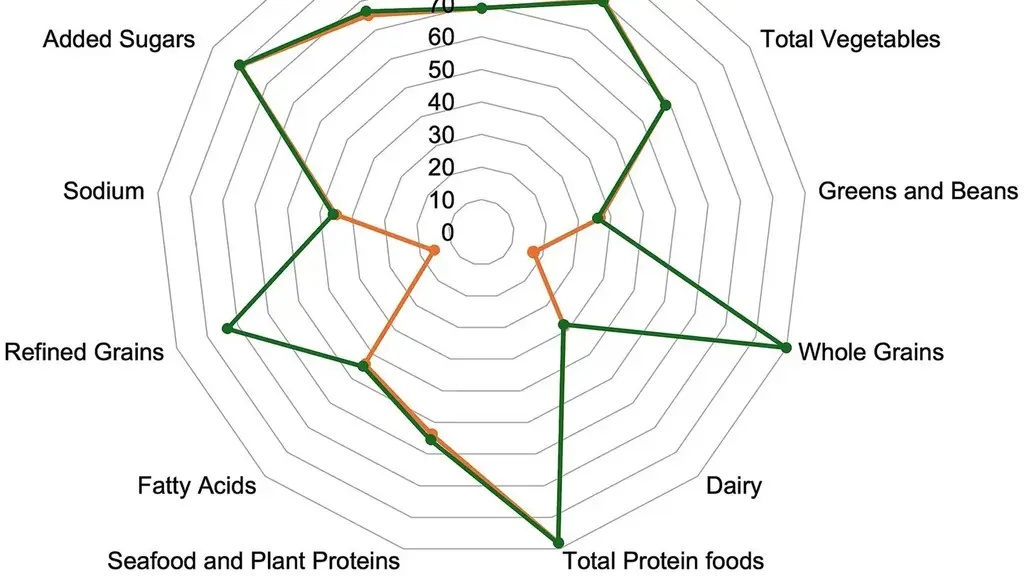
    A randomized, controlled crossover trial at The Ohio State University included 39 adults with prediabetes. For four weeks, they followed diets with whole-wheat or white bread; results were published November 25 in Frontiers in Nutrition. After the whole-wheat bread diet, the average glucose spike during a tolerance test was 27% lower than after the white bread diet.

    Medical Xpress has the details.

    Researchers provided all meals for participants. The type of bread was the only difference between the two two-week periods.

    Changes in gut microbes were associated with differences in response to the diet. After the whole-wheat bread diet, researchers found higher abundance of Agathobacter, Agathobaculum and Lachnospiraceae NK4A136 group, and lower abundance of Streptococcus, Lachnoclostridium and Mediterraneibacter.

    Baseline abundance of Lachnoclostridium and Lachnospiraceae NK4A136 group predicted a better post-meal glucose response, said first author Jillian Pierson. The authors suggest that both the microbiome’s starting composition and changes during the diet may have influenced the results.

    An approach that accounts for individual differences is called precision nutrition. Study co-author Jiangjiang (Chris) Zhu, professor of human nutrition at The Ohio State University, said such tests still require too much time and money for clinical use.

  4. Medicine & Research

    More than 38,000 Scottish adults waiting for assessments, ADHD.Scot estimates

    At least 14,000 have waited more than two years. Dr. Marianne McCallum says those most in need of a diagnosis are least likely to get one.

    More than 38,000 Scottish adults waiting for assessments, ADHD.Scot estimates
    Photo: BBC News

    ADHD.Scot estimates that more than 38,000 adults in Scotland are waiting for assessments for neurodevelopmental conditions, including ADHD and autism. At least 14,000 have been waiting more than two years.

    BBC News reported the news.

    Dr. Marianne McCallum represents the Deep End group of doctors, who work in Scotland’s most deprived areas. She said a sharp rise in private referrals was creating a two-tier system of access.

    Of Scotland’s 14 regional health boards, nine provided full data and five could not supply comparable figures. ADHD.Scot’s figures show the NHS carried out 1,575 assessments for neurodevelopmental conditions during the period covered by the data.

    In Highland, 372 adults were on the waiting list for an autism assessment. Of those, 290 had waited more than two years, and the longest wait was about seven years.

    A 2025 report by the Royal College of Psychiatrists in Scotland said demand far exceeded the capacity of the mental health system. It also found that people with autism and ADHD faced higher risks of other mental health conditions and suicide. Timely diagnosis and care could reduce those risks.

    The Scottish government is expected to publish plans to improve support for adults. A government spokesperson said support should be provided according to people’s individual needs, rather than only after a diagnosis.

  5. Medicine & Research updated 00:02

    Johns Hopkins researchers test corin in mice with brain tumors

    Preclinical results showed that the compound slowed tumor growth and extended mice’s lives. The researchers have not yet begun trials in people.

    Johns Hopkins researchers test corin in mice with brain tumors
    Photo: Medical Xpress

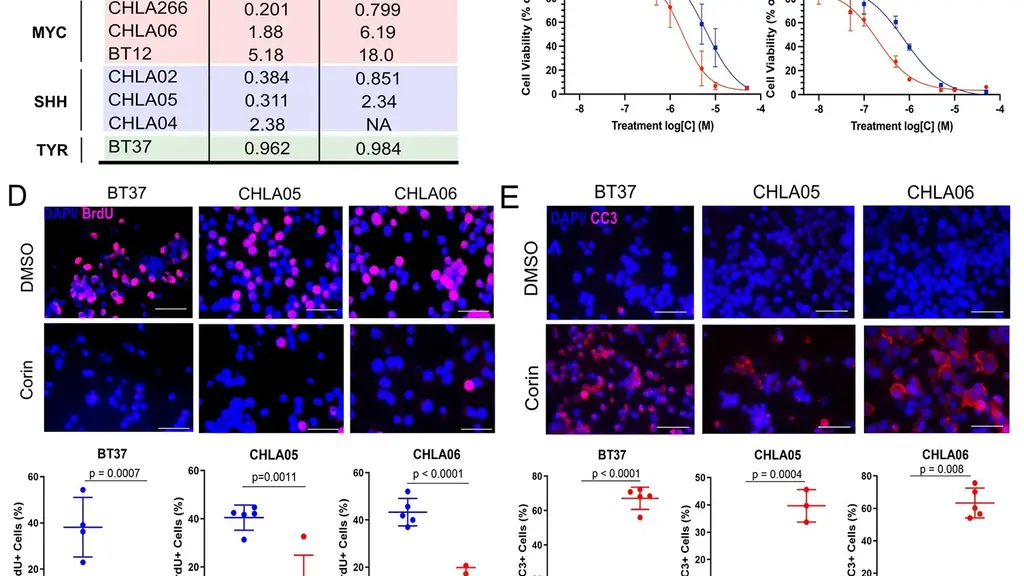
    Researchers at the Sidney Kimmel Comprehensive Cancer Center at Johns Hopkins Medicine studied corin in cell cultures and mice with atypical teratoid/rhabdoid tumors (ATRT). The work was published Nov. 1 in the journal Neuro-Oncology.

    This was reported by the news site Medical Xpress.

    In laboratory cell cultures, corin blocked tumor cell growth and promoted cell death. In mice with ATRT tumors, it slowed tumor growth, promoted cell death and helped embryonic cells mature into brain cells. Mice treated with corin lived longer than untreated mice.

    Corin targets a protein that keeps tumor cells immature and promotes their rapid growth. Suppressing expression of the protein RCOR2 produced similar effects, supporting the idea that corin acts on the CoREST epigenetic regulatory complex.

    Study co-author Eric Raabe, an associate professor of oncology and pathology at Johns Hopkins Medicine, said that as the cells mature, they produce proteins that suppress tumor growth. This may also make the tumor more vulnerable to chemotherapy.

    The team is now testing corin with decitabine in ATRT cells; the drug also affects epigenetic gene regulation. Researchers hope to eventually conduct clinical trials of the combination therapy.

    The team devised a dosing strategy using an Ommaya reservoir to deliver drugs directly to the tumor or spinal fluid. The coin-sized device is implanted under the scalp and is already used in clinical practice to deliver anticancer therapies.

    More than one-third of infants with ATRT survive after intensive treatment, which may include surgery, chemotherapy, radiation and stem cell transplants. Survivors often experience lifelong complications from treatment.