Technology

  1. Technology

    Amazon drone crashes into Michigan garage after shampoo delivery

    The company called it the first delivery drone crash of its kind in its operations near Detroit; US authorities are also investigating other incidents involving its drones.

    Amazon drone crashes into Michigan garage after shampoo delivery
    Photo: Ars Technica

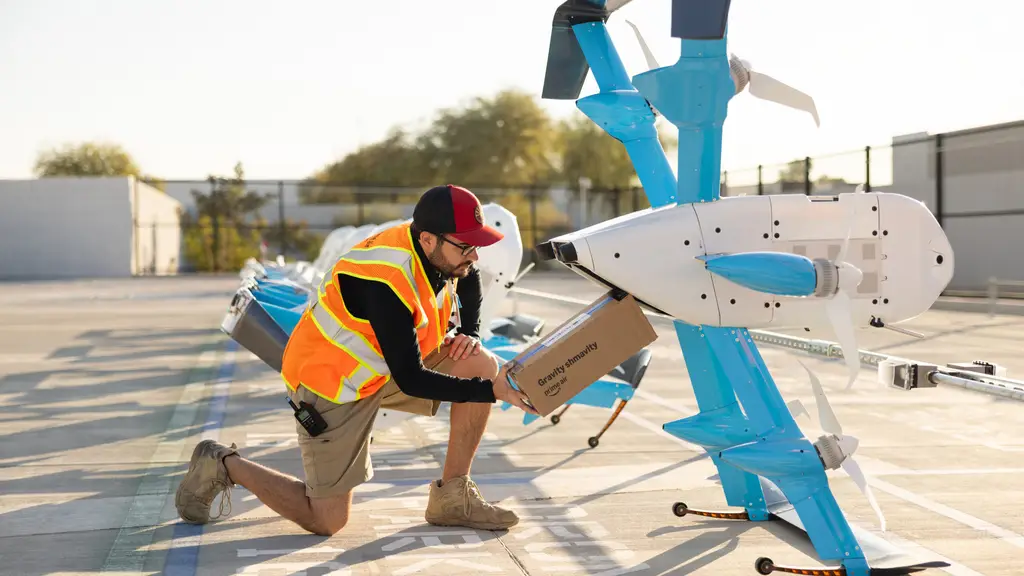
    An Amazon Prime Air drone crashed into a garage in Michigan after delivering shampoo. The Federal Aviation Administration is investigating the crash.

    The story was published by the news site Ars Technica.

    Logan Coomes, whose garage was struck by the drone, told WXYZ 7 that an Amazon Prime Air team arrived within 10 minutes. The team coordinated with Detroit Edison workers to remove the drone by early evening.

    Coomes said the team told him Amazon would help repair the garage roof and immediately gave him a $100 gift card. Amazon said it was the first delivery drone crash of its kind in its operations near Detroit.

    In October 2025, two Amazon delivery drones crashed into a construction crane in Tolleson, Arizona. The following month, another drone brought down an internet cable in Waco, Texas.

    In February, the FAA also investigated an Amazon Prime Air drone crash involving an apartment building in Richardson, Texas.

    An Amazon spokesperson said Prime Air drones make nearly 6,000 flights a day and have delivered hundreds of thousands of packages this year.

    Amazon aims to expand Prime Air to nearly 500 cities and towns in the United States by the end of 2026.
  2. Technology

    Timex and Finisterre release Tide Watch with a tide-tracking hand

    The watch is water-resistant to 200 meters when its crown is screwed down and comes with a recycled stainless steel bracelet. It sells in the UK for £260.

    Timex and Finisterre release Tide Watch with a tide-tracking hand
    Photo: Notebookcheck

    Timex and UK outdoor apparel brand Finisterre have released their fourth collaborative Tide Watch. It is available exclusively from Finisterre’s UK online store for £260.

    More details are available from Notebookcheck.

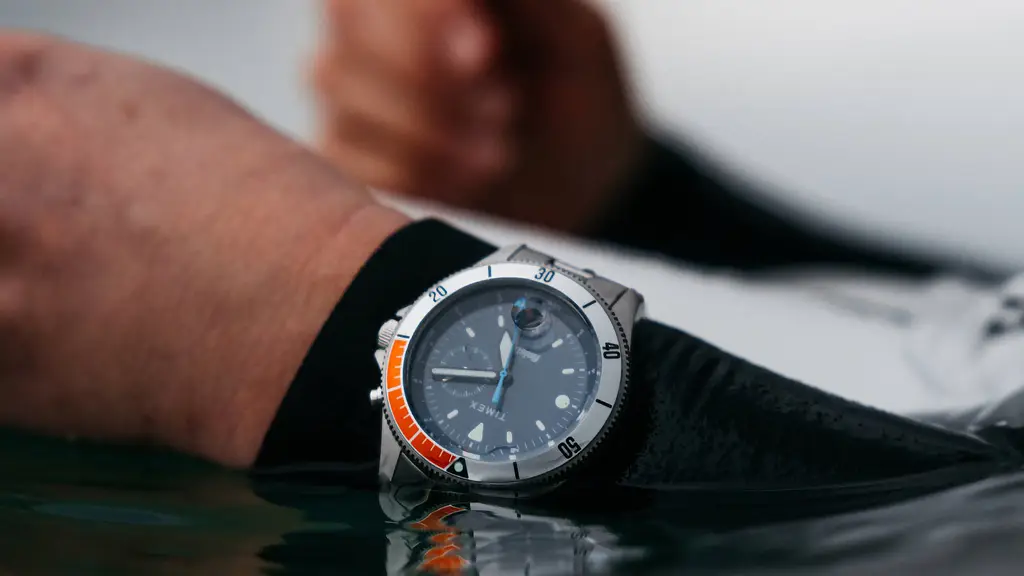
    A central cyan hand powered by a quartz movement tracks the tides, completing a rotation every 12 hours and 24 minutes. To set it, align the hand with one of four tide-status markers on the dial’s inner ring.

    The watch has a blue dial bearing both brands’ logos and a rotating 304 stainless steel bezel. The first 15 minutes on the bezel are marked with an orange-to-yellow gradient. A running seconds subdial sits at 3 o’clock, with a magnified date window at 6 o’clock.

    The 2021 and 2024 versions had recycled fabric straps; the new model replaces that strap with an adjustable bracelet made from recycled stainless steel. The Finisterre logo is engraved on the clasp. The watch is water-resistant to 200 meters when its crown is screwed down.

    The watch comes in a light-blue presentation box. It does not ship to the US, and Timex and Finisterre have not confirmed when it will be available in other markets.

  3. Technology

    Amazon plans December Falcon 9 launch for Leo satellites

    The company plans several more launches in quick succession as Vulcan flights remain suspended.

    Amazon plans December Falcon 9 launch for Leo satellites
    Photo: Ars Technica

    Europe’s Ariane 6 rocket launched 36 Amazon Leo satellites on November 24 from the Kourou spaceport in French Guiana.

    The report comes from Ars Technica.

    The launch brought the Amazon Leo constellation to 432 satellites.

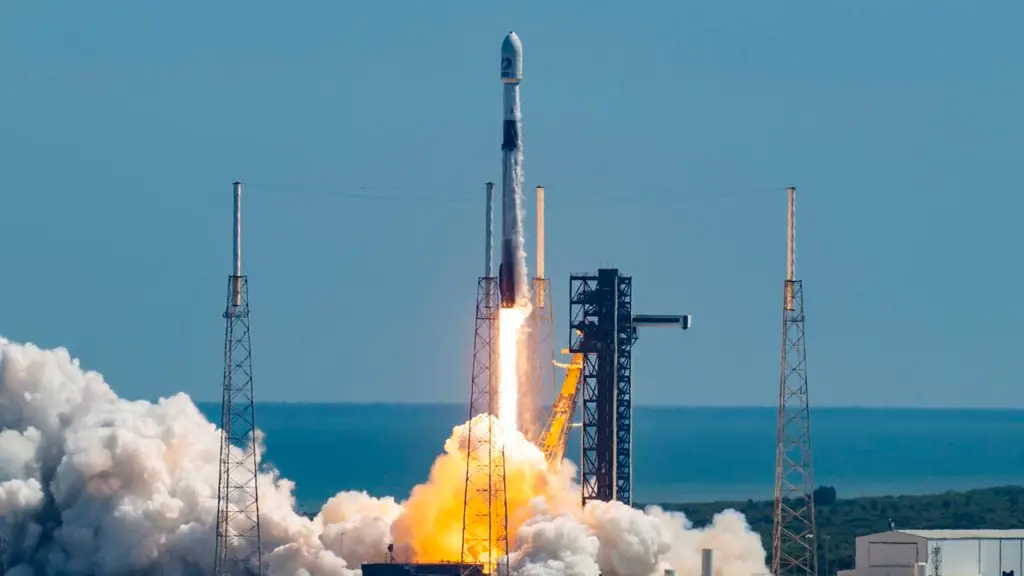
    Amazon said its next satellite launch on a Falcon 9 is planned for December, moved up from next year. Several more launches are scheduled at short intervals after the December flight.

    A November 15 failure of United Launch Alliance’s Vulcan rocket destroyed 40 Amazon satellites. Vulcan flights have been suspended since the mishap.

    Amazon has contracts for 108 launches on various rockets to deploy a constellation of 3,232 satellites in low-Earth orbit. As of November 24, 17 of those launches had taken place, with one failure.

    Amazon is developing Leo as a competitor to SpaceX’s Starlink satellite network. The company has also booked launches with Arianespace and Blue Origin, but delays to the Vulcan and New Glenn rockets limit the options available to deploy the network.

  4. Technology

    UK cyber center reports several incidents involving AI hacking tools

    Automated tools can find in minutes weaknesses that went unnoticed for years.

    UK cyber center reports several incidents involving AI hacking tools
    Photo: TechCrunch

    The U.K. National Cyber Security Center (NCSC) said it has recorded several cyber incidents since September involving autonomous AI-powered hacking tools. The incidents led to intrusions at organizations and downtime. The agency also said basic defenses and good practices could have prevented many of these attacks.

    This was reported by TechCrunch.

    Attackers are using automated penetration testing tools, including tools defenders use to test system security. The tools look for internet-facing systems, try weak or easy-to-guess passwords and abuse application programming interface (API) endpoints. Developers often use these endpoints to access data.

    The weaknesses targeted by these tools are not new. They are not novel memory corruption vulnerabilities or known but unpatched vulnerabilities, but rather weaknesses that have not been mitigated.

    These weaknesses often stem from technical debt organizations have accumulated over years. Tools can now find in minutes vulnerabilities that went unnoticed for years.

    AI does not make established cyber security controls obsolete.

    U.K. National Cyber Security Center, government agency
  5. Technology

    Microsoft and Amazon advance their own AI chips

    Microsoft expects to begin deploying Maia 300 in 2027, while Anthropic has agreed to use Amazon chips under a deal for 5 gigawatts of computing capacity.

    Microsoft and Amazon advance their own AI chips
    Photo: Notebookcheck

    Microsoft developed the Maia 200 accelerator, which is already handling workloads, including for Copilot, and expects to begin deploying Maia 300 in 2027. Anthropic reached an agreement with Amazon to use Amazon Web Services (AWS) hardware, including the company’s custom chips, as part of a deal for 5 gigawatts of computing capacity.

    Original source — Notebookcheck.

    According to article author Karan Sharma, Nvidia controls about 80% of the AI chip market, and its CUDA ecosystem makes it harder to switch to other platforms. He says Nvidia’s high-end accelerators cost about $30,000 per chip, with margins reaching 75%.

    Major technology companies need substantial computing capacity to train models and handle queries. The article’s author says even a small reduction in chip costs, power consumption or computing rental costs could save companies billions of dollars.

    Microsoft plans to make Maia the main inference engine for its products and services. The company says Maia 300 could deliver four times more tokens per megawatt than leading GPU-based platforms. Amazon and Anthropic say their partnership is intended to improve the efficiency of Claude’s training and operation.

    The article’s author says that if custom chips offer lower costs and reliable performance, they could reduce Nvidia’s share of AI spending. The company could retain an important role through its model-training performance and software.