Medicine & Research

  1. Medicine & Research

    Yale study: Movement variations improved symbol copying

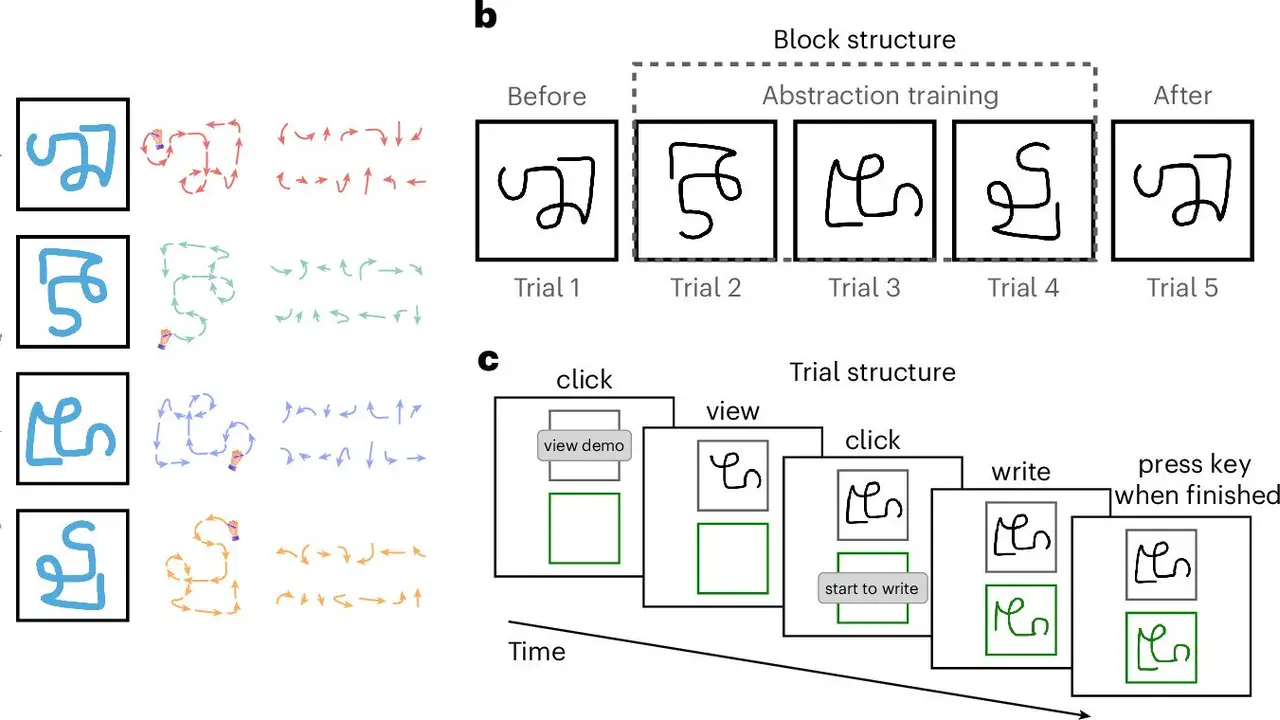
    Participants reproduced symbols faster and more accurately after practicing rotated versions. A similar effect occurred when they guided only a dot along a path.

    Yale study: Movement variations improved symbol copying
    Photo: Medical Xpress

    In 11 online experiments, Yale University researchers studied whether practicing a movement’s shared structure could improve new actions. The findings were published in Nature Human Behaviour.

    Medical Xpress published the report.

    Participants copied unfamiliar symbols using a mouse or trackpad. They then practiced drawing rotated versions of the symbols three times before copying the originals again.

    Rotation changed the direction of hand movements but preserved the sequence of bends and turns. After this practice, participants improved in speed and accuracy about as much as those who repeatedly copied the original symbols.

    Performance also improved when participants guided a dot along a set path without seeing the whole symbol. Moving along the path in reverse roughly halved subsequent gains, suggesting the sequence of actions mattered.

    Researchers call the ability to preserve a movement’s essential structure across changing conditions motor abstraction. They suggest the principle could inform training in sports, music or rehabilitation.

    In an accompanying briefing, the authors stressed that the experiments showed only immediate performance gains during short sessions. They did not establish how long the effect lasts or whether it helps people learn complex skills such as playing a musical instrument.
  2. Medicine & Research

    Northeastern studies links between maternal stress, nutrition and infant development

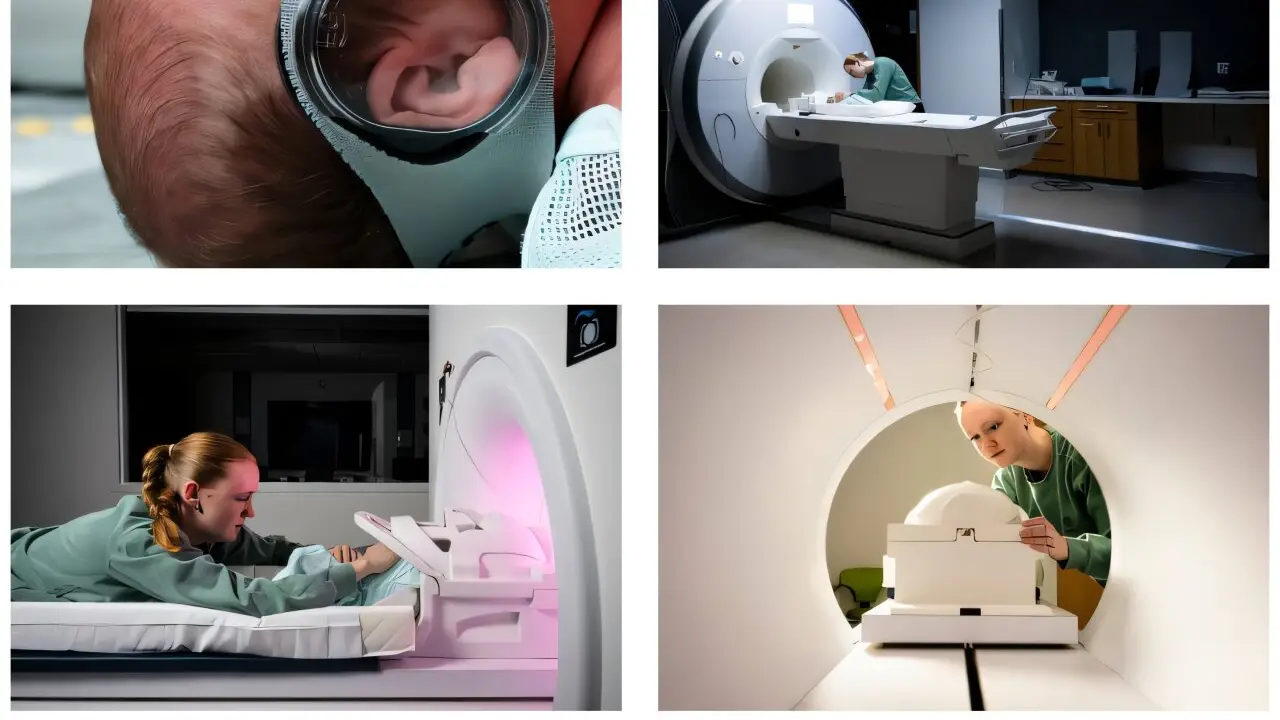
    The study scans babies ages 2 to 4 weeks and also assesses their reflexes, attention and ability to calm themselves.

    Northeastern studies links between maternal stress, nutrition and infant development
    Photo: Medical Xpress

    Researchers at Northeastern University in Boston are scanning the brains of babies ages 2 to 4 weeks to study how maternal stress and nutrition during pregnancy relate to child development.

    The story was published by the news site Medical Xpress.

    The initial Bridging Emotions and Nutrition Pregnancy (BEAN) study follows women in their third trimester. Participants record their diets, complete questionnaires and provide blood, saliva and other biological samples. The expanded Bridging Emotions and Nutrition Pregnancy Infant Extension (BEANIE) study also includes their children.

    Brie Reid, an assistant professor of psychology at Northeastern University, focuses on magnetic resonance imaging (MRI) scans that estimate the amount of iron stored in infants’ brains. The team also assesses the babies’ reflexes, attention and ability to calm themselves.

    Infants are not given sleep medication because the scans are not medically necessary and medication could affect MRI results. Researchers are recruiting expectant mothers for BEANIE, with compensation of up to $115. The team hopes to publish results in one to two years.

  3. Medicine & Research

    UT Southwestern researchers identify a brake on myelin growth

    Mice with excess myelin showed altered social behavior but normal movement. Study leader Lu Sun said clinical applications remain a long-term prospect.

    UT Southwestern researchers identify a brake on myelin growth
    Photo: Medical Xpress

    UT Southwestern Medical Center researchers identified a cellular mechanism that restrains excessive myelin production in a mouse study. The findings were published in Science Advances.

    This was reported by the news site Medical Xpress.

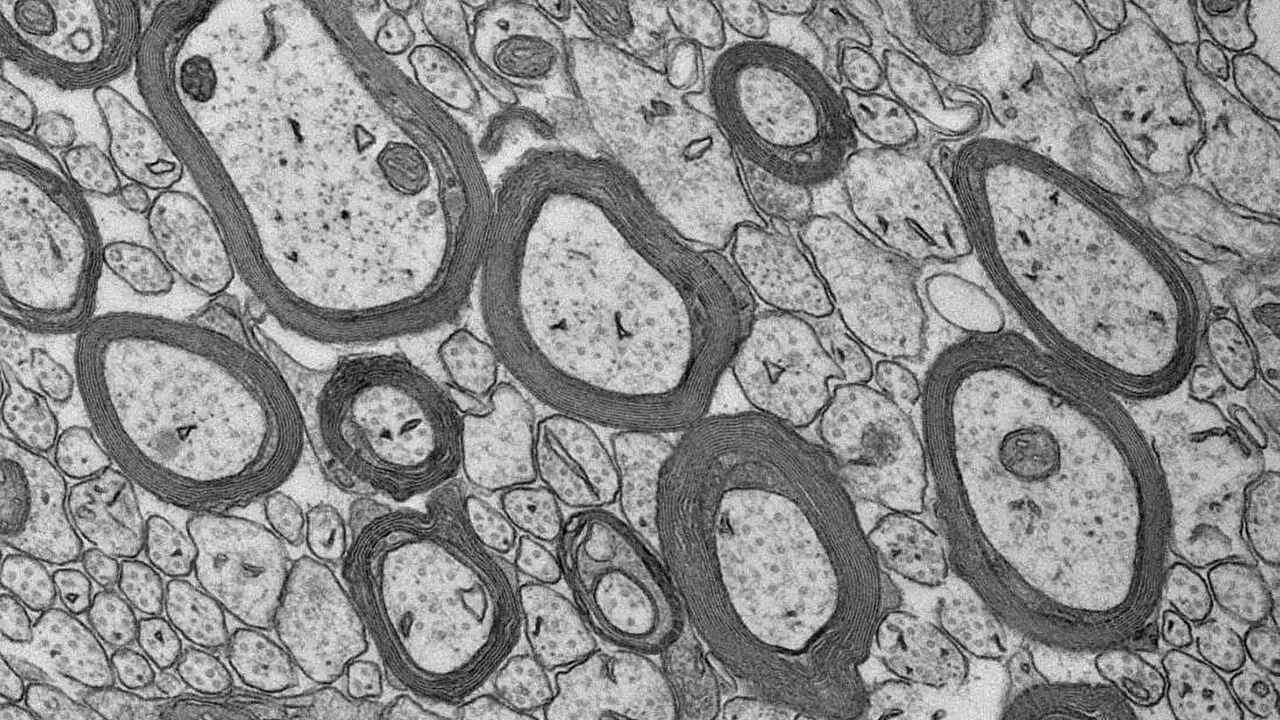
    Myelin is a fatty substance that forms a sheath around nerve fibers and helps signals travel faster. Excessive amounts or an unusual distribution of myelin can alter the function of neural circuits.

    The study identified an active form of autophagy in oligodendrocytes — cells in the central nervous system that produce and maintain myelin. Known as ER-phagy, the process selectively breaks down the endoplasmic reticulum, a cell structure involved in producing fats for myelin.

    Mice with impaired autophagy had thicker-than-normal myelin sheaths. Researchers also restored normal sheath thickness by genetically reducing the level of an enzyme that synthesizes lipids.

    Mice with excess myelin showed altered social behavior in a test that models childhood social deprivation. Their motor function remained normal.

    Lu Sun led the study and is an assistant professor of molecular biology and an investigator in the Peter O’Donnell Jr. Brain Institute at UT Southwestern. He said the findings could provide a basis for future research on mental health disorders. Possible implications for clinical care, he said, remain a long-term prospect.

  4. Medicine & Research

    Koretskyi says more than UAH 600 million allocated for hospitals

    The funding will cover four medical facilities, with money going toward building renovations, shelters and premises for new departments.

    Koretskyi says more than UAH 600 million allocated for hospitals
    Photo: Інтерфакс-Україна

    The Cabinet of Ministers has allocated more than UAH 600 million to upgrade medical facilities in frontline areas of Kharkiv and Dnipropetrovsk regions. Prime Minister of Ukraine Serhii Koretskyi said this.

    Details were published by Інтерфакс-Україна.

    The funding is intended for four medical facilities in the regions. The money will be used to renovate hospital buildings, equip shelters and build premises for new departments.

    For investment projects that need additional funding by the end of the year, the government reallocated existing expenditures.

    Koretskyi said medical facilities in frontline regions continue operating despite Russian attacks. He said people must continue to receive medical care. He stressed that hospitals must provide safe and comfortable conditions for medical staff and patients.

  5. Medicine & Research

    Gladstone Institutes: Low oxygen tripled lifespan in mice with HTRA2 deficiency

    The study also found reduced brain inflammation in the mice, while an analysis of genetic data identified 75 disease-associated genes that may benefit from lower oxygen levels.

    Gladstone Institutes: Low oxygen tripled lifespan in mice with HTRA2 deficiency
    Photo: ScienceDaily

    In a Gladstone Institutes study, mice deficient in the HTRA2 protein lived three times longer when breathing air with reduced oxygen. Control mice breathed normal atmospheric air, which contains about 21% oxygen.

    The information comes from ScienceDaily.

    Researchers also reported improved brain function and reduced inflammation in the striatum, a region of the brain.

    Mitochondria use oxygen to produce energy. When Complex 1 malfunctions, mitochondria do not consume oxygen at the usual rate, and it can build up in tissues to toxic levels.

    The HTRA2 protein works with CLPB to maintain the structure of Complex 1. The researchers say both proteins help prevent clumps of misfolded proteins from accumulating in mitochondria.

    The team also reanalyzed data from an earlier large experiment. It looked for genes whose absence impaired cell growth at normal oxygen levels but allowed cells to grow normally at lower levels.

    Comparing the results with a database of known genetic disorders helped identify 75 disease-associated genes that could potentially benefit from hypoxia therapy. The study was published in Nature Metabolism.

    Researchers are developing HypoxyStat, a drug that could potentially replicate the therapeutic effects of low oxygen in a pill or injection. The team is working to apply this approach to human treatment.