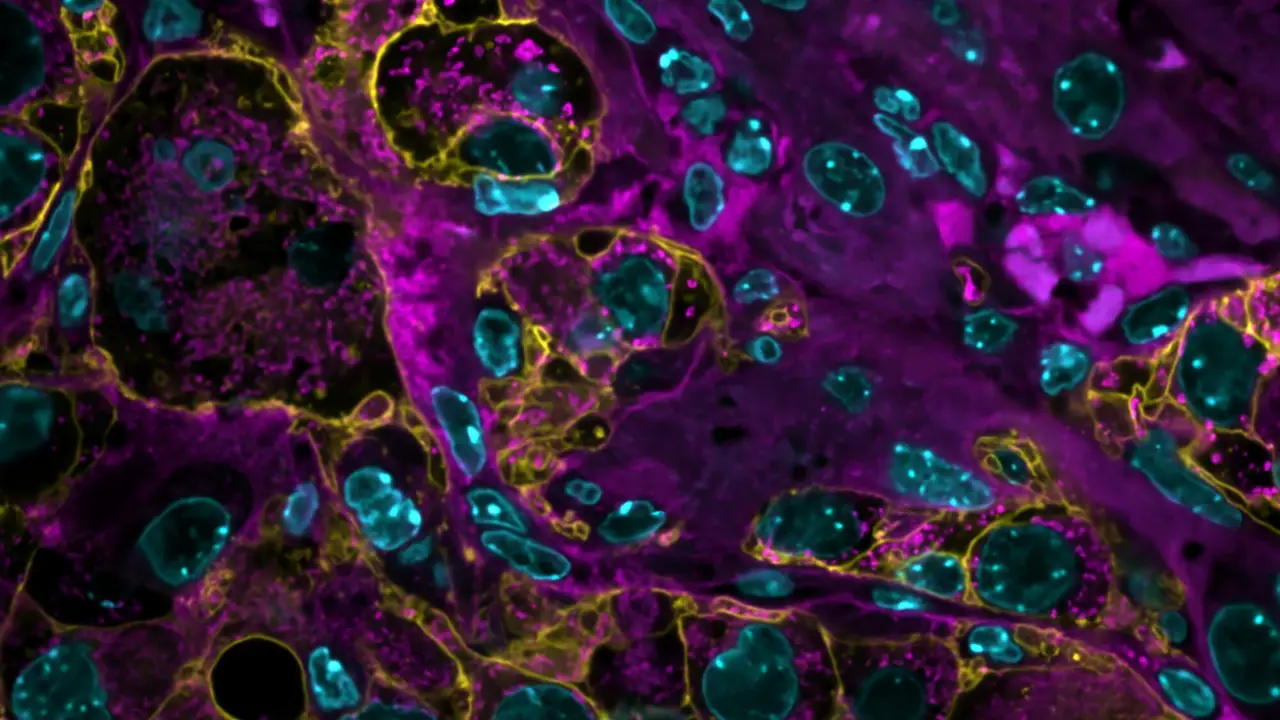
A team at the Centro Nacional de Investigaciones Cardiovasculares Carlos III (CNIC) studied how cardiomyocyte contraction is linked to the cells’ ability to divide. The results were published in Nature Cardiovascular Research.
Medical Xpress has the details.
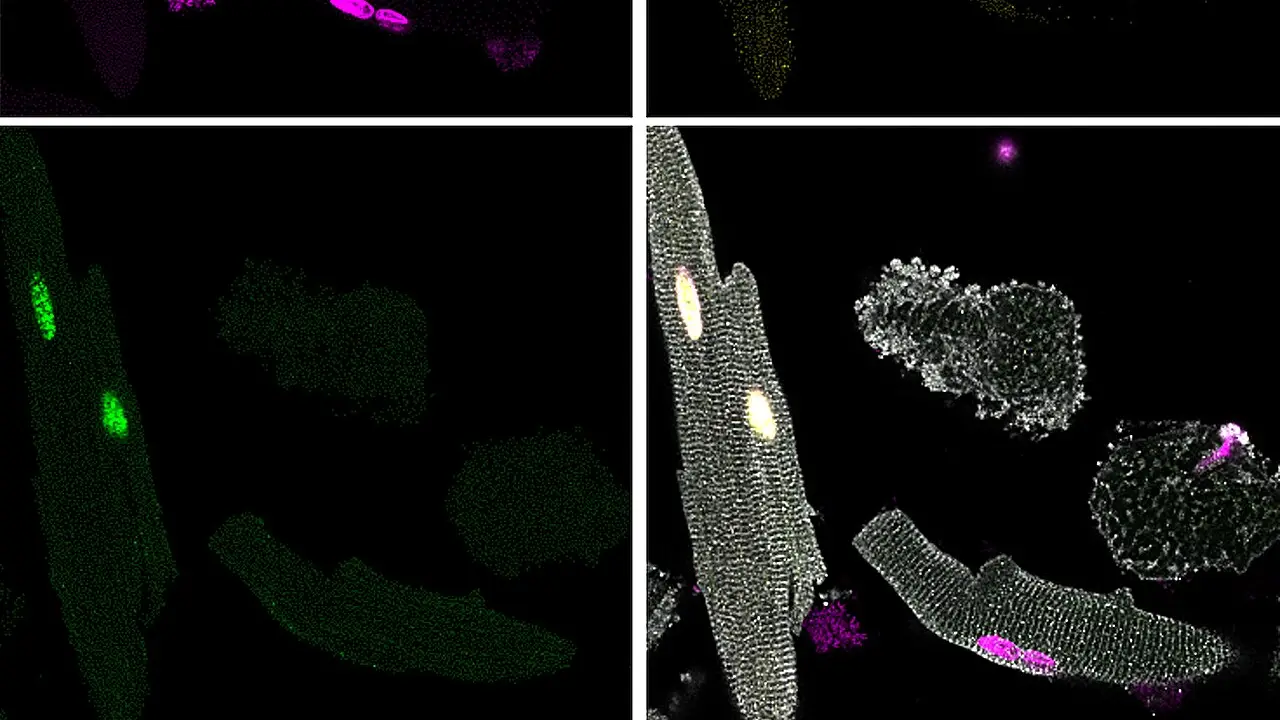
The researchers used human stem cell-derived cardiomyocytes, engineered heart tissue, living myocardial slices and animal models. When contractions were temporarily inhibited, the cells reentered the cell cycle and showed a significantly greater capacity to divide.
At the same time, sarcomeres — structures that enable contraction — disassembled. When contractions resumed, the structures reassembled, and the cells exited the cell cycle and lost their ability to divide.
These changes were accompanied by a shift toward a more glycolytic metabolism, with cells relying less on energy-intensive processes needed for continuous contraction. When contractions resumed, cardiomyocytes returned to their mature metabolic profile.
The adult heart has a limited ability to replace damaged cells. This capacity declines rapidly after birth, as the heart adapts to a greater workload. The authors say the findings do not yet offer a treatment, but could help researchers investigate mechanisms for repairing heart tissue.