Medicine & Research

  1. Medicine & Research

    Omega-3 and aspirin matched antibiotics in a gum disease study

    Improvements persisted six months after supplementation ended. The authors say, however, that evidence is insufficient to change treatment practices.

    Omega-3 and aspirin matched antibiotics in a gum disease study
    Photo: ScienceDaily

    Researchers affiliated with institutions in Brazil and the United States conducted a 12-month clinical trial involving 109 patients with severe periodontitis. Participants were randomly assigned to four groups: one received a placebo, while the others received antibiotics, omega-3 with low-dose aspirin, or both active treatments. All participants received professional treatment.

    ScienceDaily has the details.

    The treatment target was reached by 57.7% of patients taking omega-3 with aspirin and about 58% of those receiving metronidazole and amoxicillin. The target was no more than four deep periodontal pockets.

    In the standard-treatment group receiving a placebo, 23.1% of participants reached the target. Combining antibiotics with omega-3 and aspirin provided no additional benefit. Results in the supplement group remained similar to those at the end of treatment six months after supplementation stopped.

    The results were published in the Journal of Periodontology. Participants did not have other significant systemic or dental diseases, so the findings may not apply to patients with other health conditions.

    Omega-3 and aspirin were used alongside professional treatment, not as a replacement for it. The authors say larger studies are needed before treatment approaches change. Aspirin may increase the risk of bleeding and is not suitable for everyone.

  2. Medicine & Research

    Parliament backs bill on use of deceased bodies in first reading with 243 votes

    Transfer would require the deceased person's written consent or permission from relatives; an unclaimed body could be transferred by decision of a health care facility director.

    Parliament backs bill on use of deceased bodies in first reading with 243 votes
    Photo: Інтерфакс-Україна

    The Verkhovna Rada backed bill No. 15517 on the use of deceased persons’ bodies, body parts and anatomical materials in the first reading. The bill concerns research and education in health care; 243 lawmakers voted for it.

    Інтерфакс-Україна reported the news.

    The bill would grant this right to research institutions, state health care facilities and higher education institutions. Bodies and materials would be transferred by state or municipal health care facilities with the deceased person’s written consent or written permission from relatives.

    Permission could be given by a spouse, parents or adoptive parents, children, a sibling, a grandparent, a grandchild or a great-grandchild.

    A body unclaimed for burial could be transferred by written decision of the director of the health care facility where it is held. The facility would have to sign an agreement with a research institution or higher education institution; permission from relatives would not be required.

    The bill would prohibit the transfer and use of bodies undergoing forensic medical examination. It would also prohibit importing bodies for research or education if their transportation does not meet sanitary requirements. Imports would also be prohibited if they violate international humanitarian law, ethics or human rights standards.

    In the explanatory note, the bill’s authors cite the higher education standard, which requires practical training to account for at least 50–70% of the hours allocated to clinical disciplines. They say that practical study of human anatomy is impossible without access to deceased persons’ bodies, body parts and anatomical materials. They also note that Ukraine lacks a unified, systematic regulatory framework for their use in education and research.

  3. Medicine & Research

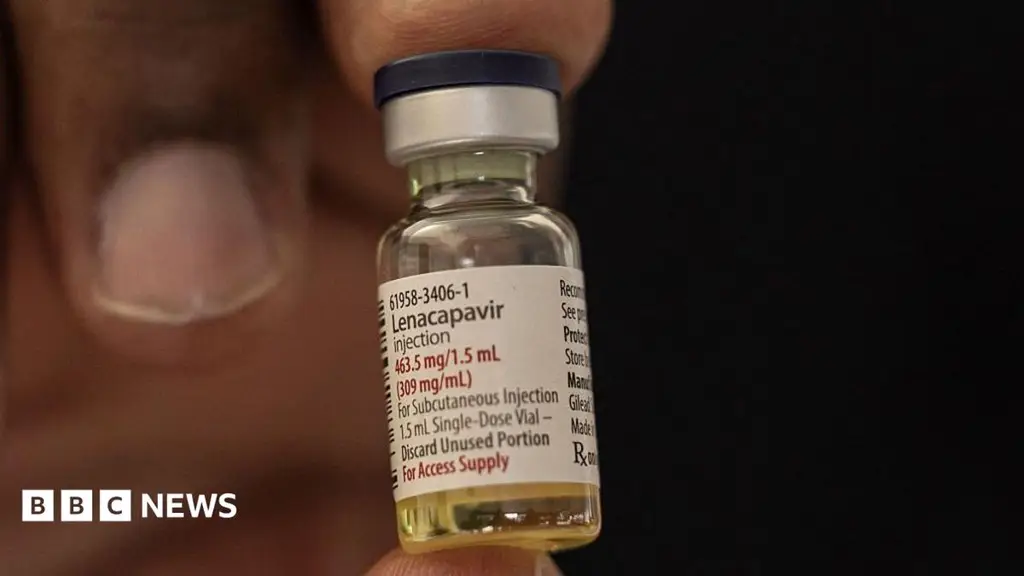
    Global Fund reports first shipment of generic lenacapavir to Zambia

    The generic drug is expected to cost $40 per person annually, potentially expanding access to HIV prevention.

    Global Fund reports first shipment of generic lenacapavir to Zambia
    Photo: BBC News

    The first global shipment of generic lenacapavir arrived in Zambia on Wednesday, the Global Fund said. Deliveries to Uganda are expected in the coming days.

    Original source — BBC News.

    The drug is given by injection twice a year. The generic version is expected to cost $40 per person annually.

    A 2024 clinical trial included more than 5,000 adolescent girls and young women in Uganda and South Africa. None of the participants who received the injection contracted HIV.

    The Global Fund said lower-cost supplies would help expand access to the generic HIV prevention drug in low- and middle-income countries.

    More than 189,000 people in 10 countries have received their first lenacapavir injection, according to the Global Fund. The organization expects supplies to reach 24 countries by the end of the year.

    The fund plans to reach at least 3 million people by the end of 2028, working with the U.S. government. The World Health Organization recommended lenacapavir for HIV prevention in July 2025.

    U.S. company Gilead Sciences developed the original version of the drug. It cost about $28,000 a year in the United States.

  4. Medicine & Research

    California reports 45 West Nile virus deaths

    In about 1% of cases, the infection can cause a life-threatening brain infection and paralysis.

    California reports 45 West Nile virus deaths
    Photo: Medical Xpress

    As of November 26, California had recorded 45 deaths and 617 West Nile virus infections. It was the state’s second-deadliest year on record.

    Source: Medical Xpress.

    The virus spreads to people through mosquitoes that have bitten infected birds. Most people who contract it have no symptoms or experience a mild, flu-like illness.

    In about 1% of cases, the virus can cause a potentially fatal brain infection and neurological complications, including cognitive impairment and paralysis.

    Mandi Budd, a consultant for humanitarian organizations, developed hip pain in September that she initially mistook for sciatica. Later, her legs could no longer support her, and she collapsed.

    Doctors fought to save her life at a hospital in Burbank, near Los Angeles. Budd has been unable to use her legs for two months and is undergoing physical therapy to learn to stand again.

    In Los Angeles County, where California’s outbreak is most severe, the first infected mosquito was detected in May, two months earlier than usual, said Susanne Kluh, manager of the local mosquito control authority.

    The local authority treats storm drains monthly with larvicide and releases sterile male mosquitoes. Teams also work to eliminate breeding grounds, including in neglected swimming pools.

    Ryan Harrigan, a biologist at the University of California, Los Angeles Center for Tropical Research, said climate change is among the factors driving the virus’s expanding range. Diseases once considered tropical are moving north, he said.

    As of November 26, more than 2,000 West Nile virus infections had been detected in 20 European countries, a record. Italy, Greece and France were the hardest hit.

    Kluh advises residents and tourists to use mosquito repellent, especially at dawn and dusk. El Niño is increasing rainfall in California, creating more favorable conditions for mosquitoes as temperatures rise. Kluh said it is concerning how long heavier rain will last into spring and whether it will coincide with warmer temperatures.

  5. Medicine & Research

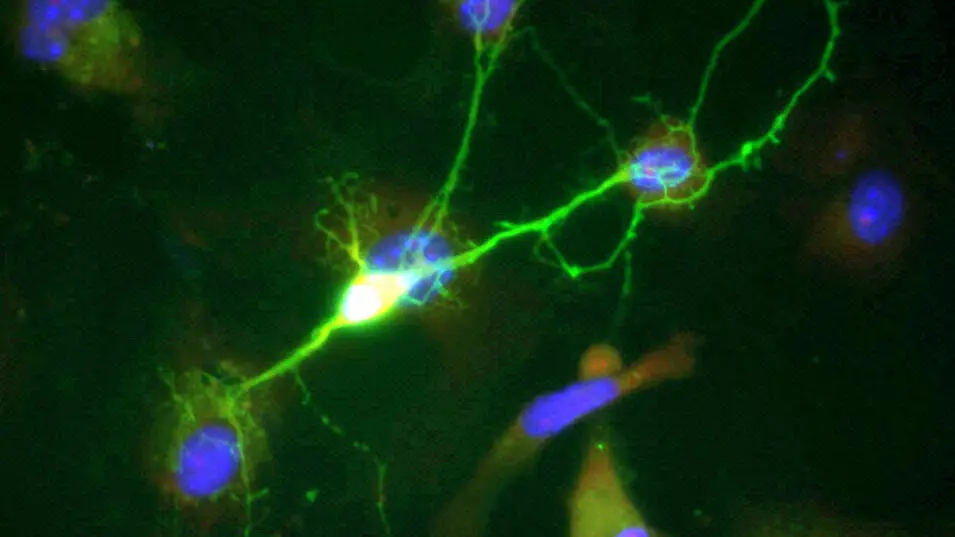
    King’s College London: Fezf2 forms inhibitory connections in mouse brains

    When excitatory neurons are highly active, the gene promotes connections with inhibitory neurons that curb their activity.

    King’s College London: Fezf2 forms inhibitory connections in mouse brains
    Photo: Medical Xpress

    Neuroscientists at King’s College London and colleagues at the Institute of Biomedicine in Valencia and the Institute of Neuroscience in Alicante studied Fezf2’s role in forming connections in mouse brains. The results were published in Nature Neuroscience.

    This was reported by the news site Medical Xpress.

    The study found that Fezf2 helps certain inhibitory neurons connect with specific excitatory pyramidal neurons. These pyramidal neurons drive electrical activity in brain circuits.

    When pyramidal neurons become more active, they increase their expression of Fezf2. This promotes connections with nearby inhibitory neurons, which reduce the activity of those cells.

    In the developing brain, excitatory neurons initially predominate, while inhibitory neurons later regulate electrical activity. This balance is important for establishing brain function and behavior.

    Using ribosome-associated mRNA profiling, the team searched for genes involved in forming inhibitory synapses when the activity of excitatory cells changes. The researchers identified Cdh22, a gene that helps neurons anchor to one another and form connections.

    Fezf2 codes for a transcription factor, a protein that regulates other genes. It was previously linked to determining the fate of excitatory pyramidal neurons during embryonic development.