Medicine & Research

  1. Medicine & Research

    Congo Ebola cases exceed 12,000, health ministry data show

    Fighting has blocked health workers from reaching some communities and reduced staffing at some treatment centers, a World Health Organization official said.

    Congo Ebola cases exceed 12,000, health ministry data show
    Photo: Medical Xpress

    As of November 26, 12,021 Ebola cases had been confirmed in eastern Congo. Nearly half of those confirmed to have the virus have died, according to data from Congo’s Ministry of Health. It is the fastest-growing Ebola outbreak in history.

    The information comes from Medical Xpress.

    Fighting between the army and Convention for the Popular Revolution rebels resumed the morning of November 26 in Iga-Barrière, about 25 kilometers north of Bunia. The clashes sent new waves of displaced people toward the city. Bunia is the capital of northeastern Ituri province and a major hub for the Ebola response.

    Catherine Smallwood, the World Health Organization’s Ebola incident manager, said November 25 that fighting has prevented medical teams from reaching some communities. It has also disrupted monitoring of people who may have been exposed to the virus and left some treatment centers with fewer staff. These constraints are complicating efforts to stop the spread of the virus.

  2. Medicine & Research updated 00:02

    UK watchdog urges shake-up of £8 billion private dentistry market

    A CMA report found wide price differences and incentives to sell more expensive treatments; some people delay dental care because of the cost.

    UK watchdog urges shake-up of £8 billion private dentistry market
    Photo: The Guardian

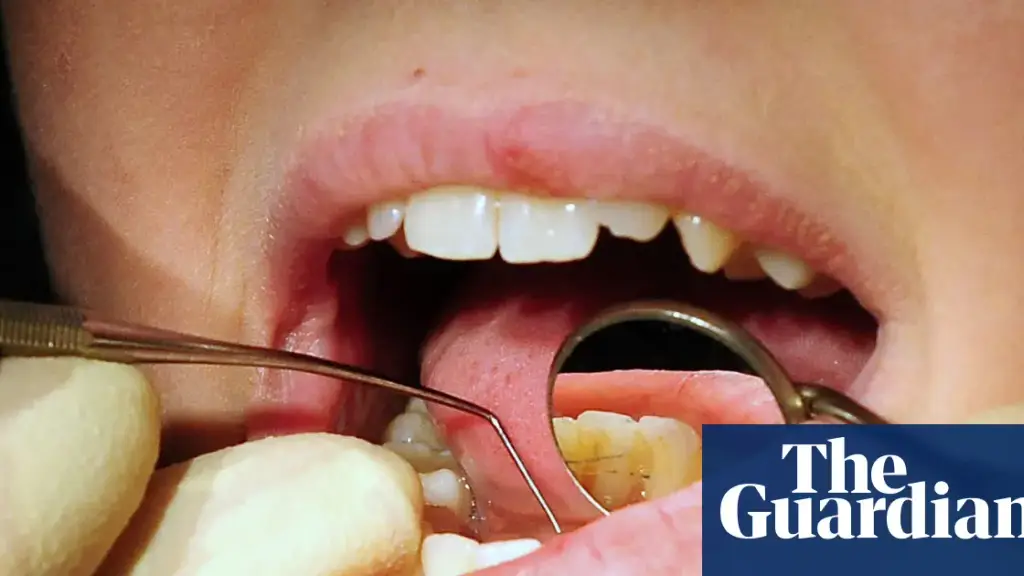
    The UK’s Competition and Markets Authority (CMA) has called for changes to the country’s £8 billion private dentistry market. An interim report found price differences and commercial practices that may not serve patients’ interests.

    The Guardian published the report. Also reporting: BBC News.

    Prices at large dental groups rose by an average of 7% a year from 2023 to 2025, the CMA estimated, outpacing inflation and wage growth. Costs across the industry have led some people to delay or go without treatment.

    The CMA report cited evidence of targets to convert National Health Service (NHS) patients to private care. It also found targets to sell more expensive treatments and increase sales of dental payment plans. The watchdog said these incentives risk patients being offered treatment that is not in their best interests.

    The report cited a composite filling as an example: it costs about 36% of mean weekly disposable income in northeast England and 35% in Wales. Online prices for a composite filling in Preston ranged from £80 to £223, while an amalgam filling in Caerphilly was advertised for £72 to £159.

    About 60% of patients in the UK pay privately for at least some dental care, including people on low incomes, according to the CMA. The watchdog estimated that the dentist vacancy rate in England is about 8%, compared with 2% across the UK economy.

    The CMA said the government should take a more active role in shaping the market, using its position as a major purchaser and commissioner of dental care for private and NHS patients.

  3. Medicine & Research

    Neuralink says FDA approved LINK trial for people with ALS

    The study will test whether participants can control digital devices with their thoughts and assess the system’s long-term safety and reliability.

    Neuralink says FDA approved LINK trial for people with ALS
    Photo: Engadget

    On November 25, Neuralink said the U.S. Food and Drug Administration (FDA) had authorized a U.S. trial of LINK for people with ALS. The company did not disclose the number of participants.

    Details were published by Engadget.

    The FDA granted the authorization on an experimental basis. Neuralink said the study will assess whether participants can control digital devices using their thoughts. The company will also evaluate the system’s long-term safety and reliability, as well as functional outcomes that could help participants become more independent in daily life.

    Amyotrophic lateral sclerosis (ALS) is a progressive neurodegenerative disease that damages nerve cells controlling voluntary muscle movement. Neuralink said people with ALS may be eligible for the trial but did not specify other selection criteria.

    The company said it had previously worked with more than 30 participants. Last year, Neuralink reported that its first participant with ALS, Bradford Smith, was able to communicate using brain signals alone.

    The N1 implant is surgically placed in the skull, after which the R1 robot inserts flexible electrodes into the brain. Software translates neural activity associated with movement into commands for computers and other digital devices. If the trial shows the technology is safe, Neuralink may apply for larger trials; LINK could eventually reach the market.

  4. Medicine & Research

    Fenoterol does not clearly activate brown fat, Basel researchers find

    In two experiments involving 11 healthy volunteers, both interventions increased energy expenditure, but clear brown fat activation was seen only after cold exposure.

    Fenoterol does not clearly activate brown fat, Basel researchers find
    Photo: ScienceDaily

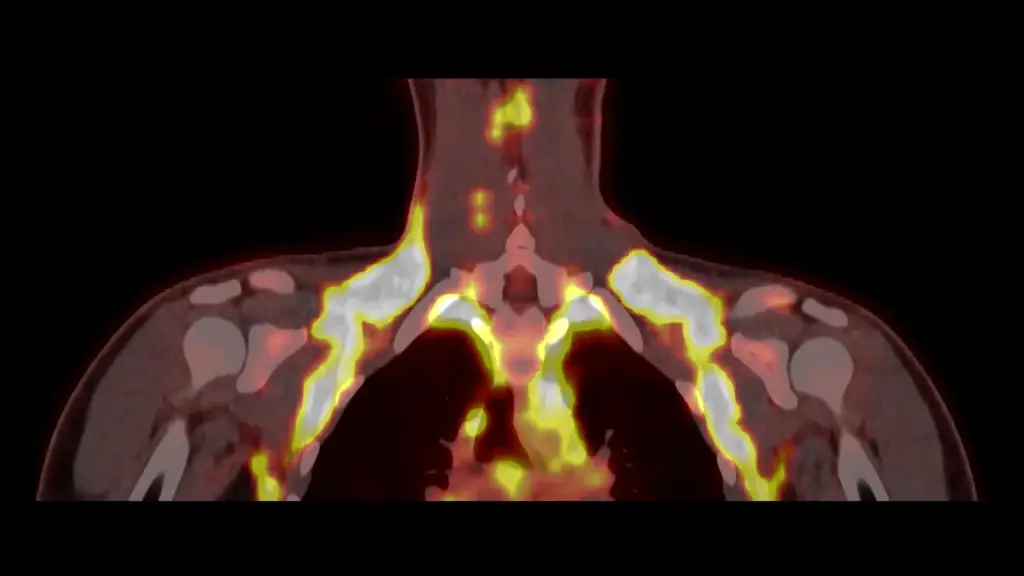
    Researchers at the University of Basel and University Hospital Basel conducted two experiments involving 11 healthy volunteers, comparing mild cold exposure with fenoterol. Both interventions increased energy expenditure, but clear brown adipose tissue activation was seen only after cold exposure.

    Details were published by ScienceDaily.

    The findings were published in the journal Cell Metabolism. The team measured participants’ energy expenditure and used positron emission tomography and computed tomography (PET/CT) to track brown fat activity.

    Fenoterol stimulates beta2 adrenergic receptors. After it was given, the tissue absorbed considerably less glucose than after cold exposure, so scans did not show comparable activation.

    We were surprised that energy expenditure increased strongly with fenoterol even though we could not detect a comparable activation of brown fat.

    Matthias Betz, professor at the University of Basel and University Hospital Basel

    The researchers suspect the drug may have increased energy use in other tissues, including skeletal muscle or white fat. They have not yet established exactly where the additional energy was consumed.

    Analysis of human tissue suggests that fully activating brown adipose tissue may require the combined action of multiple receptors or biological signals.

    Brown adipose tissue uses energy to generate heat. Researchers are studying it as a possible target for future obesity treatments, but this study found no clear activation of the tissue by fenoterol.

    But first we need a better understanding of how brown adipose tissue is regulated.

    Matthias Betz, professor at the University of Basel and University Hospital Basel
  5. Medicine & Research

    UK trial finds robotic knee replacement did not improve recovery

    Robotic procedures took an average of 10.5 minutes longer and cost about £950 more per operation. The technology was not cost-effective in the first year under NHS spending thresholds.

    UK trial finds robotic knee replacement did not improve recovery
    Photo: ScienceDaily

    In the UK-wide RACER-Knee randomized controlled trial, 33 surgeons operated on 339 patients at 10 hospitals. After 12 months, outcomes were similar for robotic and conventional knee replacement.

    More details are available from ScienceDaily.

    The trial was coordinated by the University of Warwick and University Hospitals Coventry and Warwickshire. The study’s findings were published in The Lancet.

    The robotic system helped surgeons position artificial joints more precisely. After a year, scores on the Forgotten Joint Score, which measures how much patients notice their joint in everyday life, showed no meaningful differences. Walking ability, pain and the likelihood of another operation were also similar.

    Researchers found no increased risk of serious adverse events associated with robotic surgery.

    Researchers plan to follow participants for 10 years to determine whether differences between the approaches emerge over time, including in the need for another operation.

    The trial was funded by the UK National Institute for Health and Care Research (NIHR) in partnership with Stryker, the robotic system’s manufacturer. Stryker covered the additional costs of robotic procedures but did not participate in analyzing or interpreting the results.